



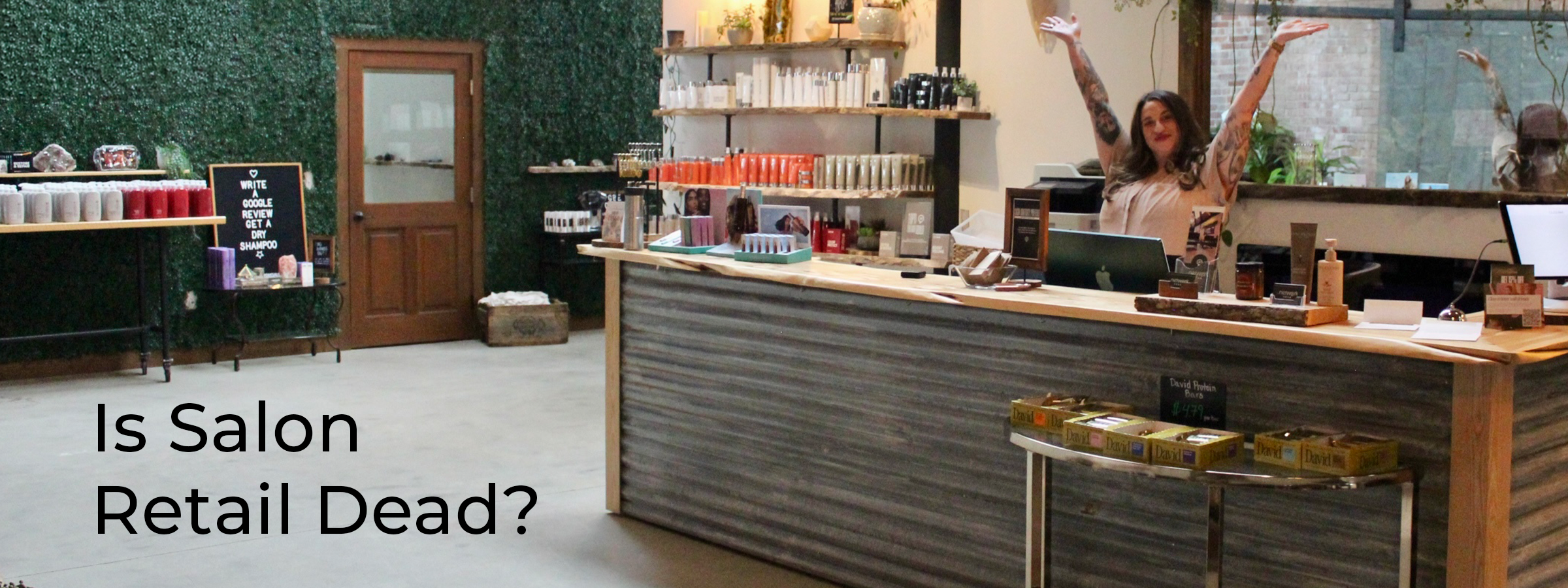
Is Salon Retail Dead?


I was scrolling on TikTok this weekend and saw yet another video of salon owners complaining about the state of retail in the beauty industry. Of course I stopped and listened. I’m always curious when people start declaring something “dead.”
Their arguments sounded convincing - especially if you’re already frustrated.
They said carrying a product line costs thousands just to get started.
They said retail just sits on the shelves and never moves.
They said if products don’t move, you can’t afford backbar.
They said clients are buying online before they even get to the front desk.
They said companies are selling direct to consumer at cheaper or discounted prices.
I’ve heard all of these excuses before. And honestly, I get why people believe them. It’s way easier to play the victim and blame everyone else than it is to develop and work a system religiously. I also think people hate being told no - and when it comes to sales, you have to adopt the mindset of: some will, some won’t. Who’s next?
That video is what inspired me to write an article filled with solutions and actionable steps to develop a strong retail system. I’m also going to tackle the number one complaint I hear from stylists when it comes to selling retail. We will get to that at the end.
There are many reasons hairstylists have the upper hand when it comes to retail, but here are the top three:
- You are already with the client in person, and if they’re thinking about buying something, now is the perfect time to pitch - you’re literally standing there with the product in your hand explaining what it does! You also have the entire service to explain why it’s perfect for them. You don’t have to be pushy - you just have to tell them how much, how often, and how to use it.
- They already trust you. They are spending money with you. They let you cut, color and chemically treat their hair. But we’re going to pretend they don’t trust your shampoo recommendation?!
- You know their hair better than anyone. You see the texture, the density, the damage. You see how it responds to heat, color and humidity. No algorithm knows that.
When I saw that video, I couldn’t resist commenting that my salon does around $10k a month in retail. That’s close to $120k a year in revenue attached directly to the services we’re already performing.
When I actually pulled my QuickBooks, the number was about $99k in total retail sales. I was off a little in my comment, but the point still stands. That translated to roughly $15k in additional commissions paid directly to my staff.
Not everyone in my salon sells retail religiously. I definitely have some top performers. But across the board, retail created a meaningful boost. For my renters, retail is deducted from rent every two weeks. For my commission stylists, it goes straight into their paychecks. Some of my renters are saving around $50 a week on rent because of retail - which I think is pretty significant.
I always say you need five streams of income if you want to become a millionaire. Why would I eliminate a revenue stream that integrates seamlessly into the hair business?
- I don’t have a system for selling products.
- I don’t truly love and believe in my products.
- I’m scared to answer questions about my products.
- I don’t want to be rejected.
In my experience, resistance to retail has less to do with clients and more to do with stylist discomfort.
Stylists don’t want to talk about money. They avoid confirming budget during the consultation. They wait until checkout to bring up products. They over-explain at the end because they didn’t educate throughout the service. They don’t have a clear close.
Without a system, retail feels awkward. With a system, it feels automatic. Here’s the structure I’ve used for years - and trust me, it works.
During the consultation, I ask how they style their hair and what challenges they’re having. I let them know I’ll tailor a regimen for them to try that day. This is basically me asking them for permission to teach them about their hair - the client feels in control and I’m not selling, just educating.
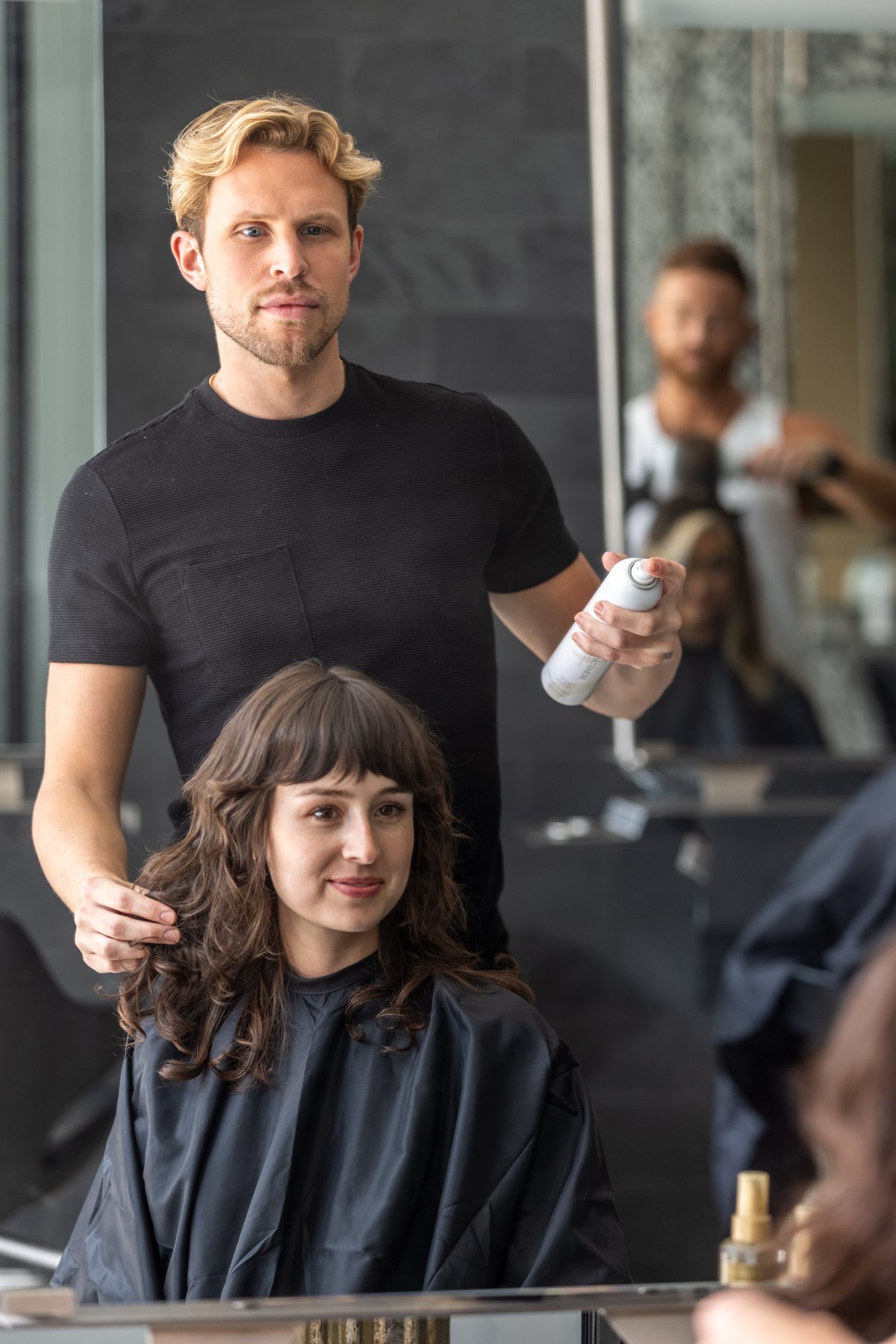
I confirm their budget for the visit and ask whether that includes at-home maintenance. If it does, I recommend within that number. If it doesn’t, I ask if they’d like me to make some suggestions based on what they are getting done. Asking about budget is critical because you don’t want to get them all excited, then have them sticker shocked. I am also a huge fan of price laddering products - having something for every budget is key.
Throughout the service, I share what I’m using, what it does, how much to use and how often. I keep it short and clear. Education happens in real time. I leave room for them to ask questions, but I don’t overdo it.
I focus on multiple benefits. If something is a heat protectant and a frizz fighter, I say that. Clients love knowing one product solves more than one problem.
During processing time, I prepare my close. I pull every product I used and separate them into two categories: need to have and nice to have.
This is huge and takes a little more effort: I write the products down on a take-home card and include their pre-booked appointment date.
At the end of the service, I walk them to the front. I clearly state which products are essential to maintain their color and which are optional. Then I hand them off to guest care and move on. The education already happened. There’s no awkward scramble at checkout. I leave it to them to decide and my front desk people to close the sale. If you are ringing out your own clients, I would recommend simply asking: “Which products would you like me to wrap up for you today?”
The worst thing you can say is, “Do you need any product?” This yes or no answer is almost always going to lead to a no. Ask an open-ended question and don’t be offended if they say no. If they say no to your close you can always let them know that if they need anything in between appointments to stop by. Don’t take it personal!
Retail doesn’t have to be complicated, and it doesn’t have to be overwhelming. Start with the obvious - shampoo and conditioner. If you are coloring, lightening, glossing or toning hair, you need to recommend something that protects and maintains that result. That’s not “selling,” that’s protecting their investment. When you explain that the right shampoo preserves tone, extends gloss longevity and prevents fading, it becomes part of the service.
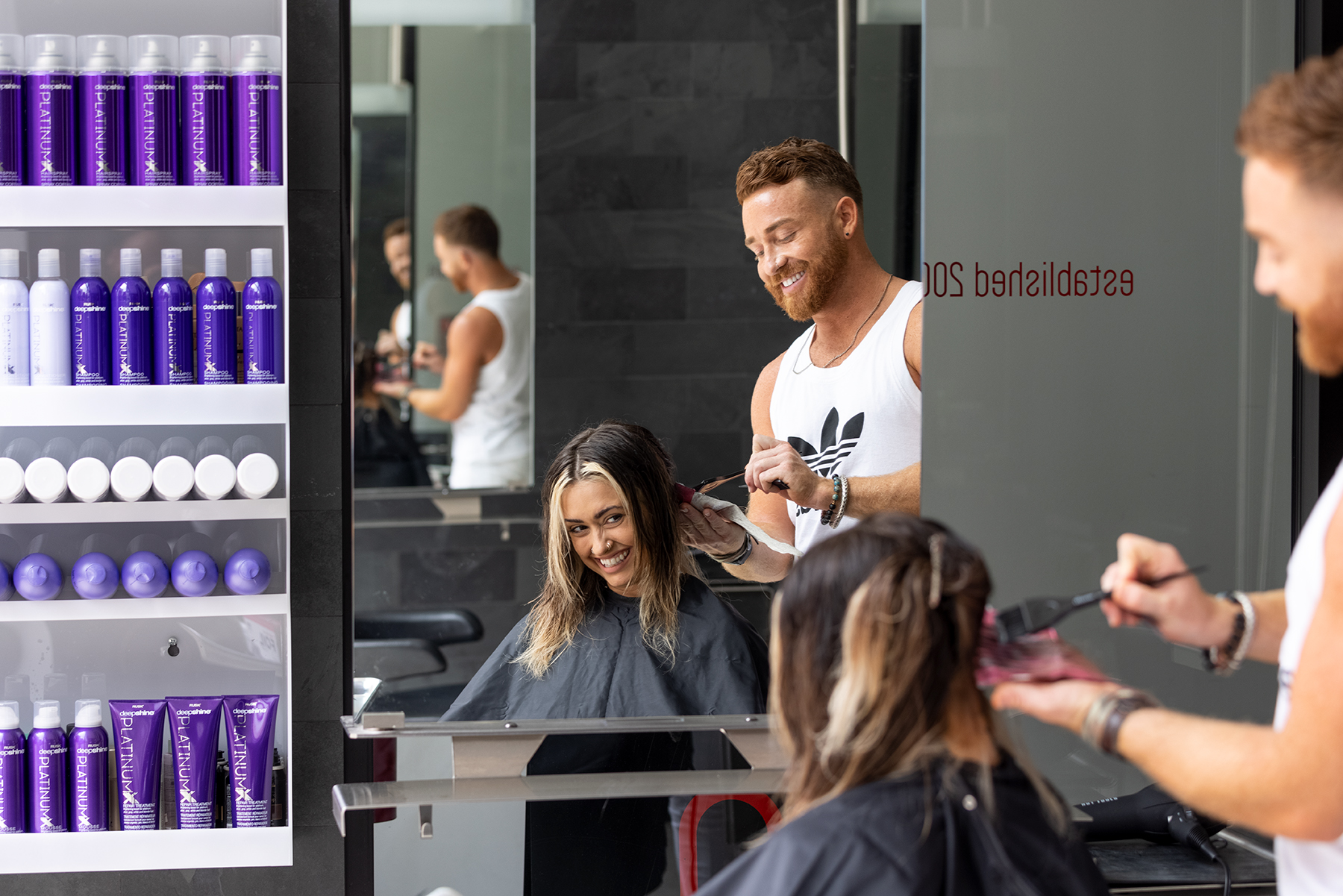
Then think about impulse retail. Front desk items like lip gloss, brushes and lotions are easy wins. They’re affordable, fun and don’t require a full consultation. Plus clients are already in spending mode. A small add-on feels like a treat, not a commitment, and those small purchases add up significantly over time.
You can also retail affordable hot tools. If you just showed a client how to achieve a specific curl pattern or blowout finish, offering them the tool that creates that result makes sense. Professional distributors like Marlo Beauty Supply carry accessible, salon-friendly hot tools at price points that compete with big box stores. You don’t need to tie up thousands in inventory to participate - you just need intentional categories that support what you’re already doing behind the chair.
Retail works best when it supports the service: color maintenance, styling support, everyday beauty upgrades. You don’t need a massive wall of product. You just need alignment!
Before I send you off to become a sales machine with this system, I want to address one more thing - this is always the most repeated reason stylists hate selling…
Stylists get completely thrown off when a client pulls out their phone. You start talking about a product and suddenly they’re Googling it, asking ChatGPT and reading reviews. In that split second, the stylist assumes the worst - they’re going to buy it somewhere else.
That assumption is what kills the sale, not the phone.
Research consistently shows that while the majority of consumers look products up online before purchasing, only about 2 to 5 percent actually complete a purchase in that exact moment on their phone. Average ecommerce conversion rates hover around 2 to 3 percent. That means over 95% of people who look something up do not immediately buy it. They’re not rejecting you! They’re researching - it’s automatic now.
Stylists cannot take this personally. The second you get insecure and shut down, the energy shifts, and the client feels it. Instead, stay confident. I will say, “I see you’re looking it up - just make sure you grab it from me. I price match any verified seller.”
No tension. No defensiveness. Just certainty.
If you believe in what you’re recommending, don’t fold the second someone opens their phone. Finish the education and stand by your expertise. Confidence and consistency close far more sales than pressure ever will.
Retail isn’t dead. Excuses are.
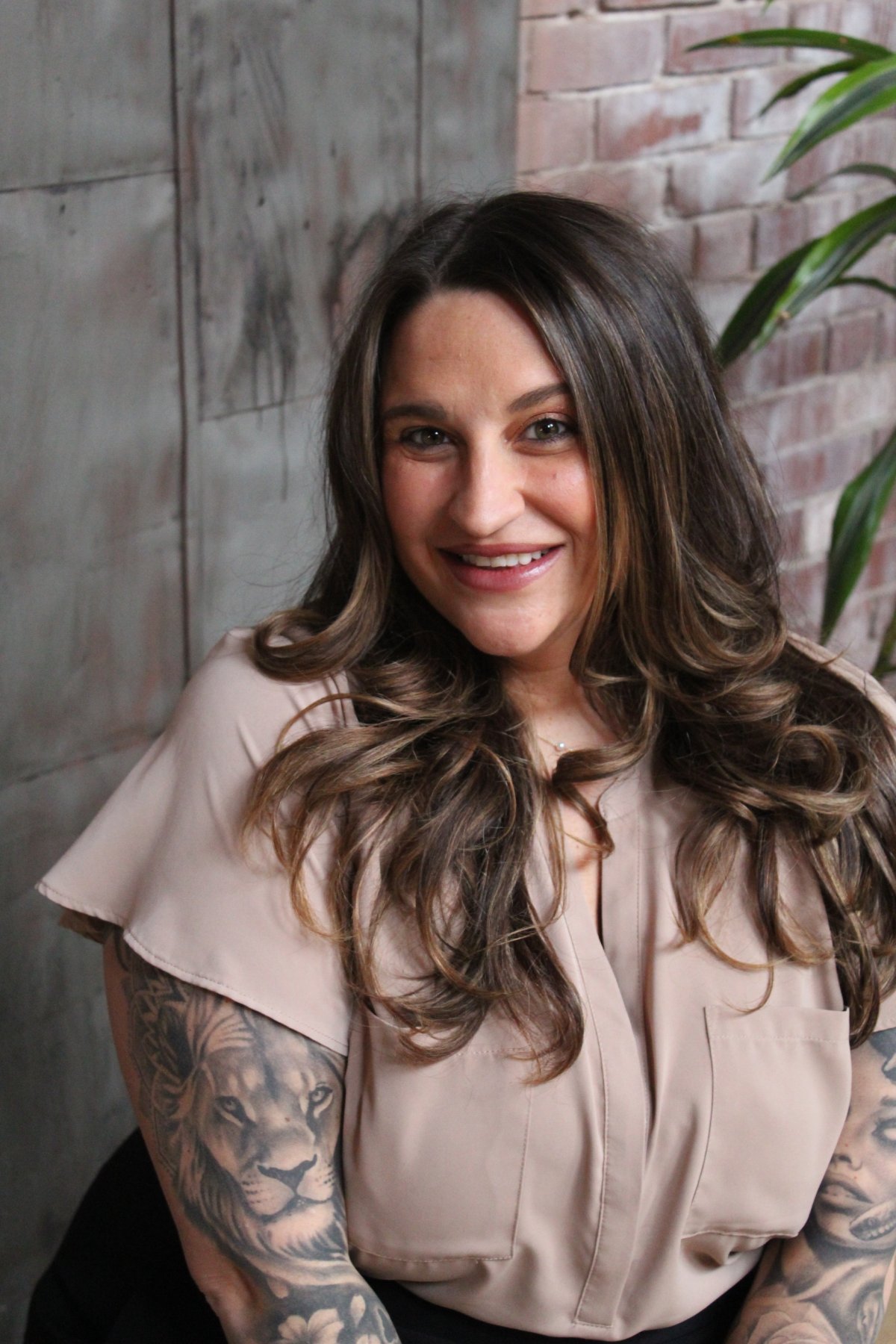
Gina Sicard (@iamginabianca), Pro2Pro Editorial Contributor
Gina is a veteran salon owner with a proven track record of building strong salon cultures, delivering meaningful education and mentoring top performing stylists. Gina’s mission is to provide inspiration, resources and real world strategies for salon owners and stylists who want to grow.
| SHOP: | www.marlobeauty.com |
| SHARE: |
|
