Mastering Gray Coverage: 10 Must-Know FAQs for Coloristsfeaturing Aloxxi


Gray coverage is one of the most routine services behind the chair, but it can also be one of the most unpredictable. From resistant grays to uneven results, even experienced hair stylists run into challenges. To help you get more consistent results every time, we asked Freddy Mattera, salon owner, master colorist and Aloxxi national artist, how he tackles his toughest gray clients with confidence. From what to ask during the consultation to how to handle the most stubborn of gray hair, Freddy breaks it all down below.
What questions should I ask during a gray coverage consultation?
When discussing a client’s color, I start by going over their goals and expectations - whether they want full gray coverage or a softer, blended look, how natural or noticeable they prefer the color to appear and if they lean toward warm, cool or neutral tones. We’ll also review hair history, including when their last color service was, whether they’ve used box dye or henna, if they color their hair regularly or this is their first time, and whether they’ve had any recent chemical services such as perms, relaxers or smoothing treatments.From there, we’ll talk about maintenance and their lifestyle, including how often they’re willing to come in for root touch-ups, whether they’re okay with some regrowth showing, how often they heat style and what their daily haircare routine looks like. We’ll also cover any concerns or sensitivities, such as scalp issues or allergies to hair color, and finally, we’ll look at any inspiration photos to ensure we’re matching the look they have in mind.
What makes certain gray hair “stubborn” and harder to cover than others?
Gray and white hair contain little to no melanin, which means there’s no underlying pigment for artificial color to grab onto, so dye has to build color from scratch - making full coverage more challenging. Many white hairs also become thicker and coarser, creating a tighter cuticle that’s harder for color molecules to penetrate, which can lead to spotty or translucent results. Certain areas, especially the hairline and temples, naturally resist color even more, as these zones often have the highest concentration of coarse, wiry gray hairs, and skincare products along the hairline can further block color absorption. Additionally, gray hair often becomes wiry and harder to soften, contributing to its overall resistance during the coloring process.How do I identify if a client has resistant gray hair before starting the service?
Gently feel the strands where gray is most visible, noting that resistant gray often feels thicker, stiffer, or wiry and may feel rougher compared to the client’s natural hair. These hairs might even “spring” away from the head when combed, and you may notice dense patches in high-resistance zones. A history of quick fading or hollow roots can also indicate resistance, as can roots that appear lighter even after consistent coloring.
Are there pre-treatment options for extremely resistant gray hair?
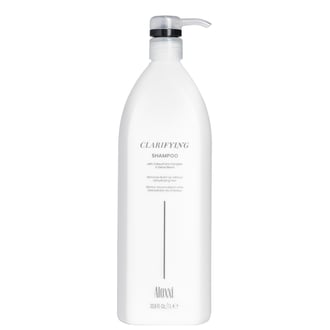
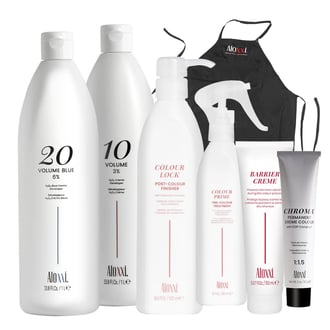
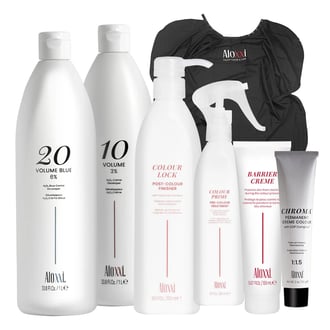
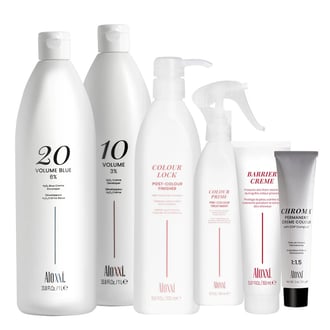
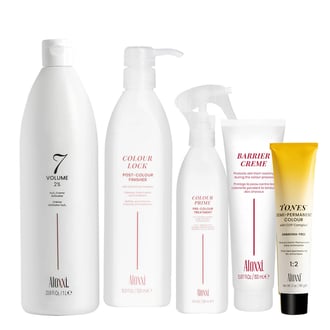
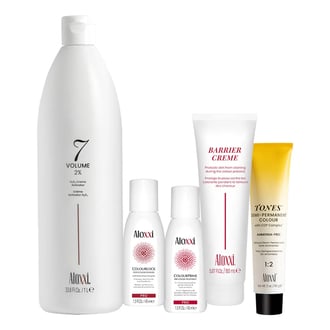
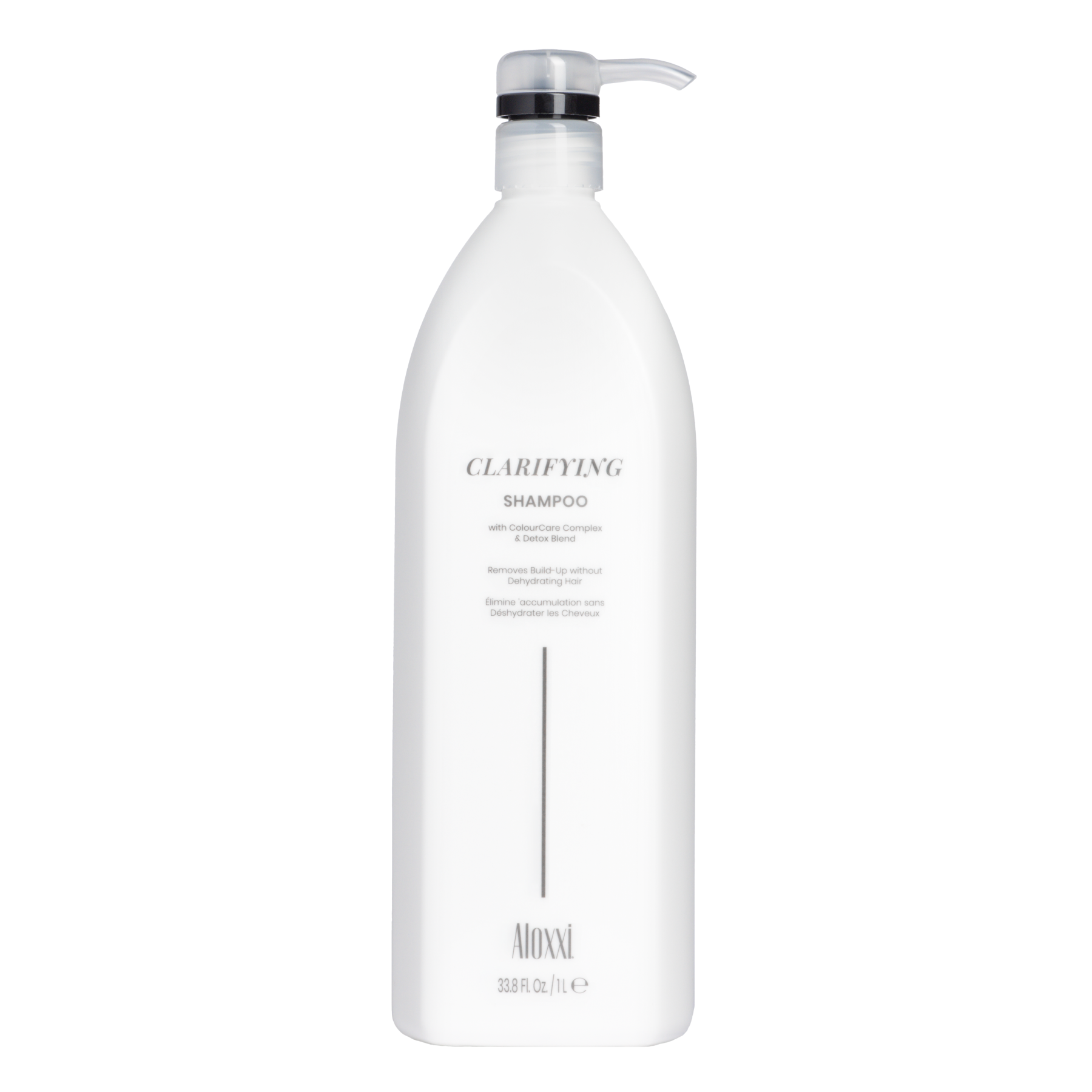
Start by washing the hair with a clarifying shampoo and towel-drying thoroughly, as this helps remove buildup and improves color penetration. Follow with Aloxxi ColourPrime, available in all Aloxxi Salon Openers, to gently cleanse any remaining buildup or root-coverage makeup, waxes or sprays, even out the hair’s porosity and provide added comfort for sensitive scalps.
How does the client’s natural underlying pigment affect gray coverage?
White and gray hair contain no pigment, which can cause the color to look hollow, especially when covering gray on clients who are naturally a level 3, 4 or 5, because the missing red and orange undertone must be rebuilt. Without replacing this warmth, the result can look flat, dull, too cool or appear see-through.
This is why warm bases and N or NN Series are essential. The lighter the natural level, the easier white or gray hair is to cover, since levels 7 to 10 have lighter underlying warmth where the missing pigment is yellow or pale yellow. This allows gray to blend more easily and appear softer, making cool or neutral shades more effective at lighter levels, although resistant gray still often needs added warmth. Underlying pigment replacement becomes critical when the hair is coarse, wiry, over 50 percent white or gray or located in high-resistance areas such as the temples or front hairline. These zones typically require N or NN Series shades or, with Aloxxi, a wider range of warm and cool options, along with warm naturals, or even a pre-fill or Aloxxi Boost, available in the Aloxxi Chroma Permanent Creme Colour Large Salon Opener, in more extreme cases.
What is the best Aloxxi hair color for gray hair coverage?
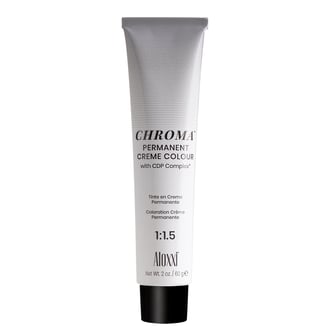
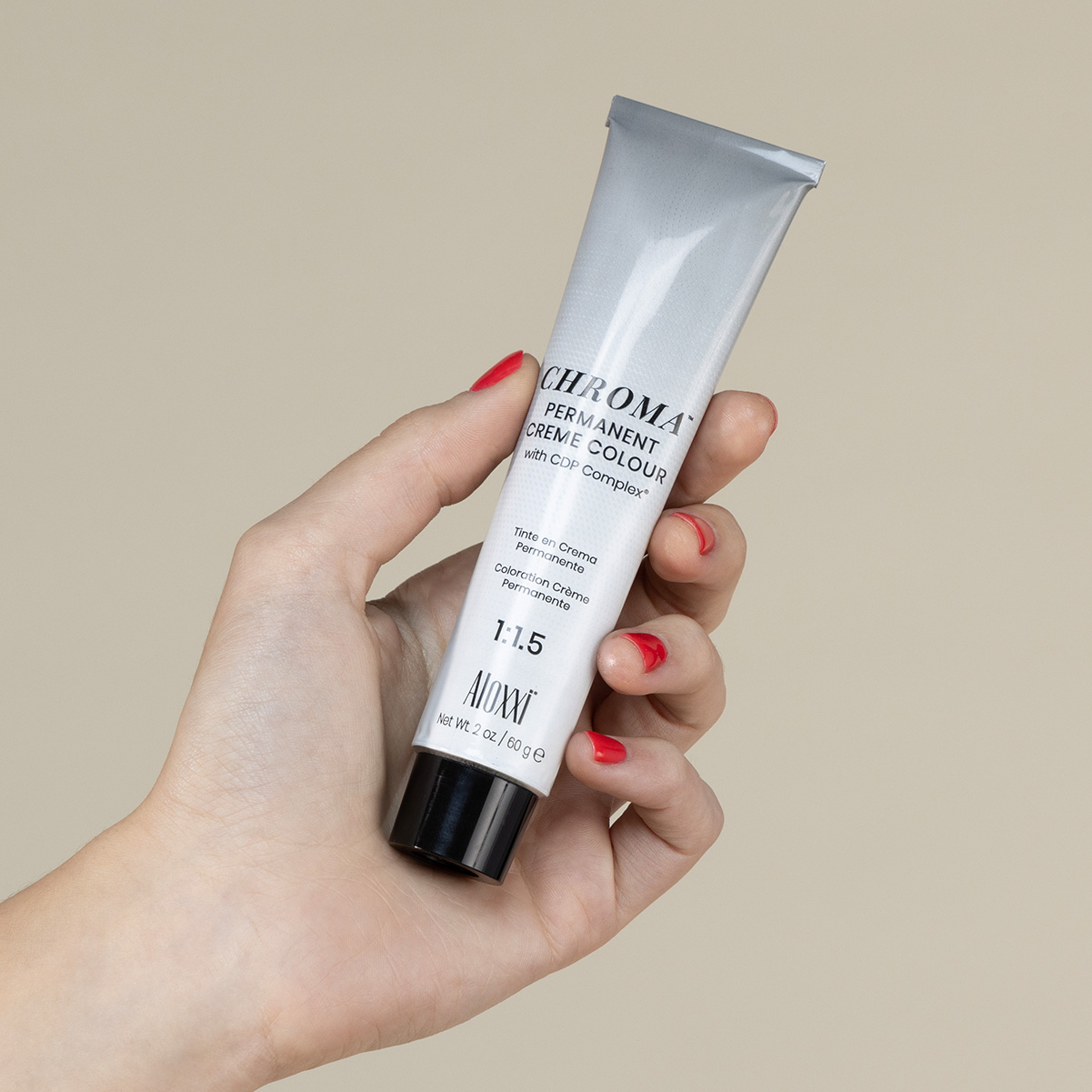
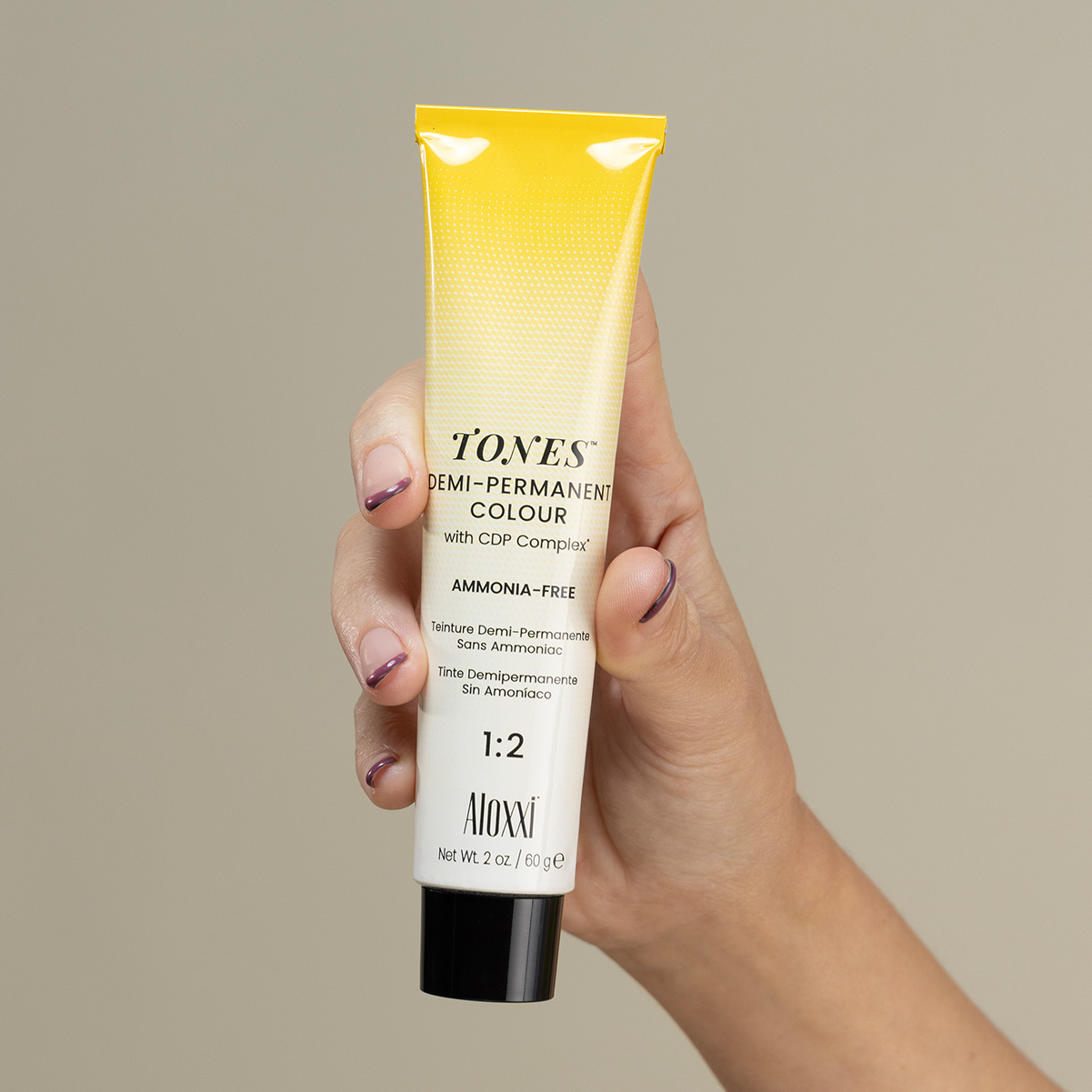
CHROMA Permanent Creme Colour is Aloxxi’s traditional permanent creme line, designed for full gray and white coverage, using 10-volume for tone-on-tone gray coverage up to 40-volume for lift. It contains CDP Complex, which helps with conditioning and shine, and it is a great option when you need versatility in shade, depth, and tone. TONES DemiPermanent Colour, while not a full permanent coverage solution, is often used in gray-blending services and works well for clients who do not need full coverage but want dimension, shine and a softer grow-out.
Which volume developer is best for stubborn gray coverage?
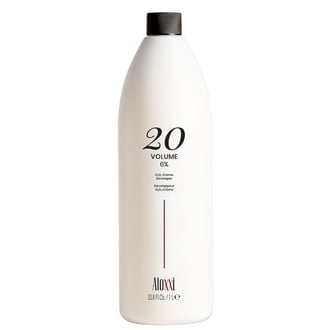
At Aloxxi, we recommend 10-volume for tone on tone or going darker, and 20- or 30-volume for lifting when the hair has natural pigment and is not 100 percent.
Are there specific toners that work better on gray hair?
TONES DemiPermanent Colour is not a permanent solution and is better suited for blending gray rather than providing full coverage. It is a good option when you want to add tone, shine or achieve a softer finish without using a harsh organic permanent color.
How long should I process color for stubborn gray coverage?
Standard permanent color with a 10-volume developer typically processes for 35 to 45 minutes. For resistant or coarse white and gray hair, the processing time is usually 40 to 45 minutes and can extend up to 50 minutes if the hair is extremely resistant. Demi- or semi-permanent toner processes in 10 to 20 minutes.
How do I manage client expectations for gray coverage results?
Start with a thorough consultation, discussing the desired outcome, whether it is full coverage, blended gray or a softened tone. Use visual aids, including swatches of Aloxxi, photos of different levels of gray coverage and before-and-after examples with similar hair types to to set clear expectations. Explain that full coverage may take longer, the color may initially appear slightly different from their natural hair when blending gray with natural pigment and maintenance may involve touch-ups every 4 to 6 weeks for roots or toning.

Freddy Mattera, Aloxxi National Artist & Salon Owner
Freddy Mattera is a salon owner and master colorist with more than 30 years of experience behind the chair. He’s a nationally-recognized expert in chemical services and cutting, serving as executive coordinator for Aloxxi and a traveling national artist, with training from L'Oréal Professional and Aloxxi International. Freddy has a deep passion for education and believes it’s the key to success for himself and his team.
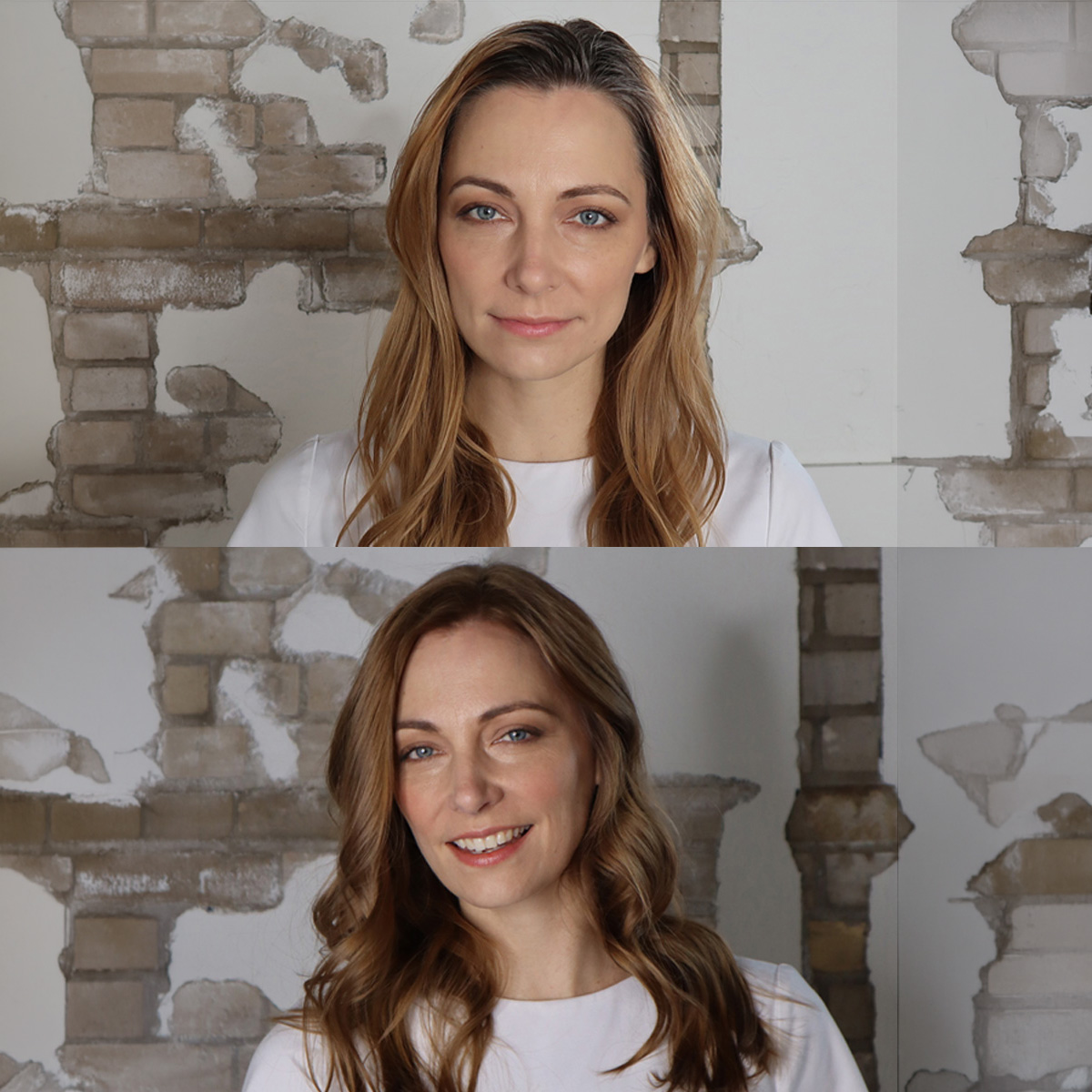
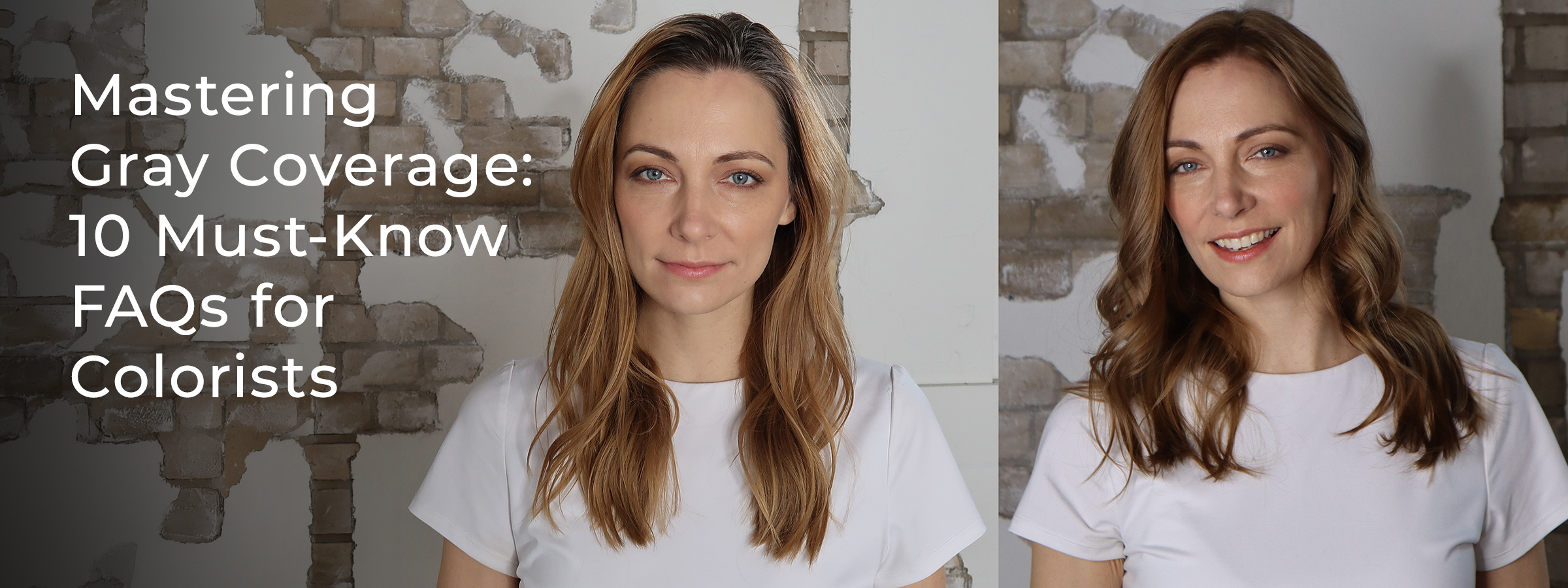
Watch Freddy’s gray coverage tips in action! See how he used Aloxxi Chroma Permanent Creme Colour for gray coverage + rich dimension and healthy, true-to-tone results.
At Marlo Beauty Supply, we're committed to supporting licensed professionals with the education resources, expert insights and professional-grade products you need to deliver your best work behind the chair. Resources like this Pro2Pro series are just one of the ways we invest in your success as a beauty professional. Shop our selection of Aloxxi color products and thousands of other top professional brands at guaranteed wholesale prices, exclusively for licensed pros like you.
| SHOP: | www.marlobeauty.com |
| SHARE: |
|