



Scalp Health Services: Your Next Big Revenue Opportunity Is Already Sitting in Your Chair


"Why does my hair feel thinner?" "Is this shedding normal?" "My scalp has felt different since I started this medication." If you're behind the chair, you've heard some version of these questions more times than you can count. You've probably done your best to answer with a product recommendation and hoped it was enough.
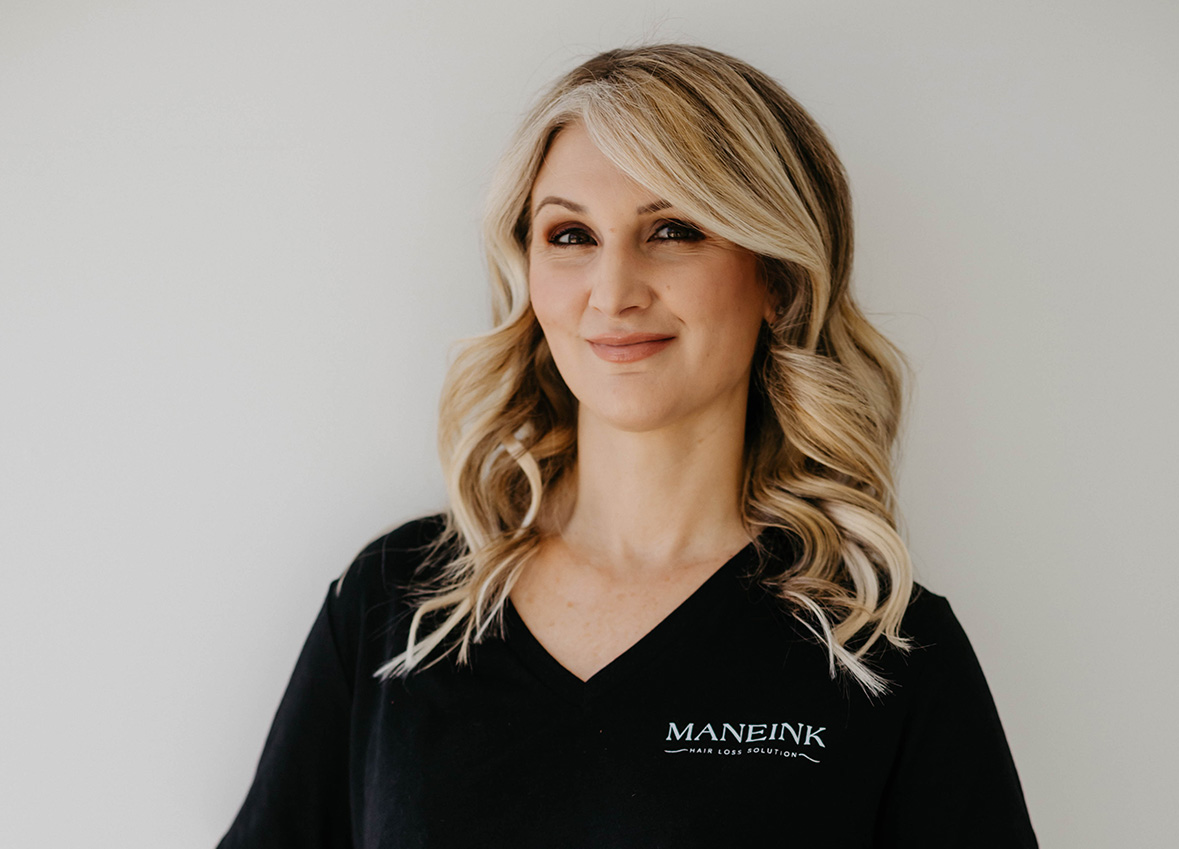
Laura Volpe, Founder of ManeInk Hair Loss Solutions and ManeInk Academy spent years as a four time Goldwell Master Colorist before she decided to become certified in trichology and hair loss treatments. Her take: scalp health isn't a niche specialty. It's a real revenue opportunity most stylists don't realize they're already qualified for.
Here's her take on the opportunity you already have within your existing clientele and what you need to know to best serve the clients searching for support around hair loss and scalp health.
1. The Market Has Already Moved This Direction
The global hair and scalp care market was valued at more than $88 billion in 2025 and is projected to top $150 billion by 2033. Clients aren't waiting for salons to catch up. Social media, podcasts and wellness content are educating them daily, so they're walking in already asking sharper questions about thinning, shedding, and scalp changes tied to stress, hormones, and medication.
That demand is a business opportunity sitting in your chair right now.
2. You Already Have the Skill Set
The biggest thing holding stylists back is the assumption that scalp health requires starting a whole new career. Laura puts a number on it: “Licensed cosmetologists and estheticians already have roughly 90% of what's needed,” she says. “Consultation skills, sanitation, product knowledge, anatomy and client trust are all things you built through your license and years behind the chair.”What's actually missing is the knowledge to assess a scalp strategically, recognize common patterns and know when to refer out. That's specialized education, but not a career change.
3. Ask Questions, Don't Diagnose
Laura says one trend behind more shedding and breakage right now: GLP-1 medications, which often come with nutritional deficiencies. Beyond that, plain old dry and oily scalps get dismissed as minor annoyances when they're usually worth a real conversation.You don't need to diagnose, but asking better questions allows you to provide professional information and guidance.When a client asks "Why is this happening?" here are three follow up questions to better understand the problem:
- How often are you washing?
- Which products are you using?
- Are you shedding in the shower or throughout the day?
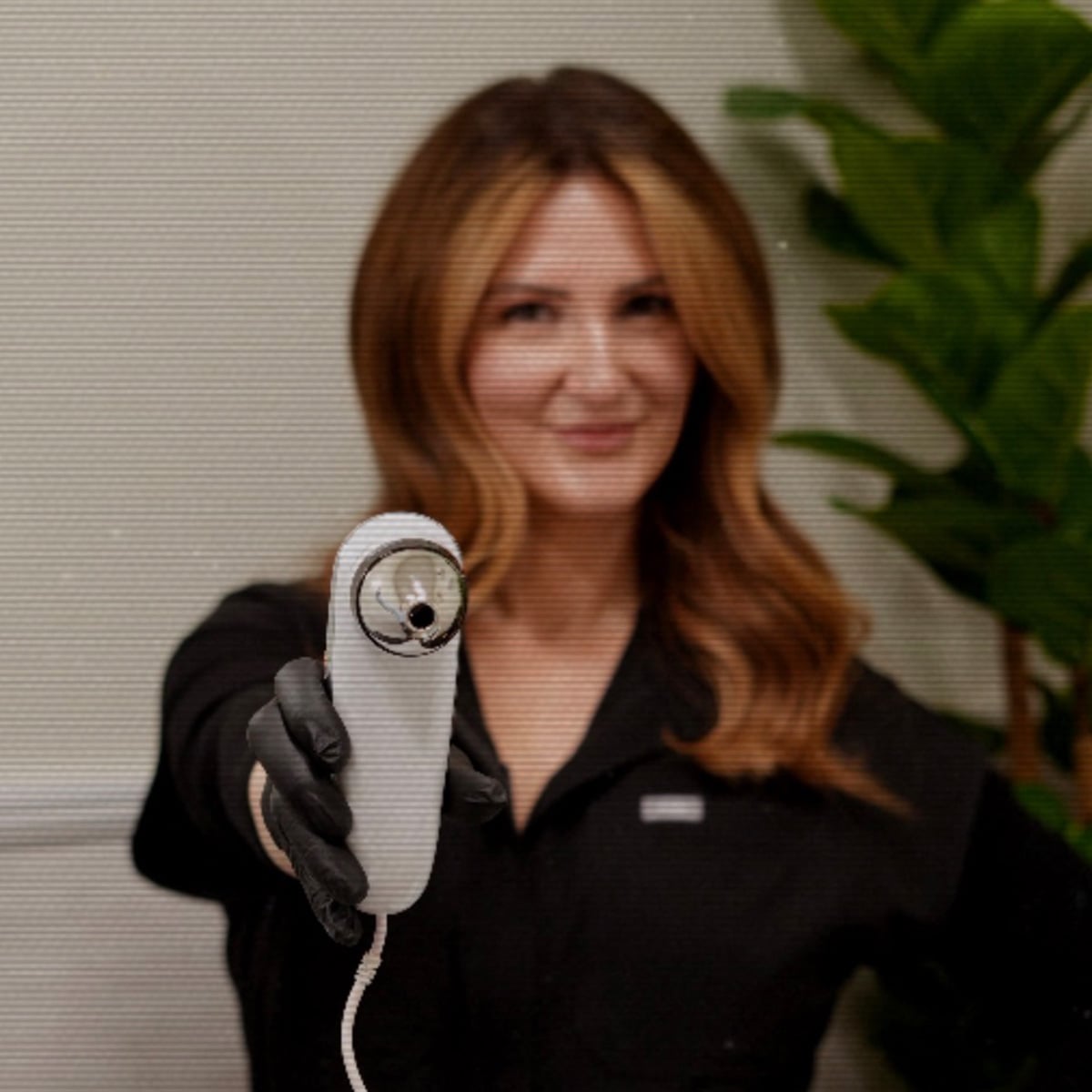
Watch how dermoscopy works in a real client setting.
Sometimes the most useful thing a stylist can offer is a referral. Remember your objective is to best serve your clientele.
4. The Math is Mathing
A 30-minute express scalp treatment can run around $150 and doesn't require a new setup - just a shampoo bowl and chair you already have, plus a scalp care line and a dermoscope. Add one treatment a day, four days a week, and that's roughly $2,400 in added monthly revenue - from a service that takes an additional half an hour.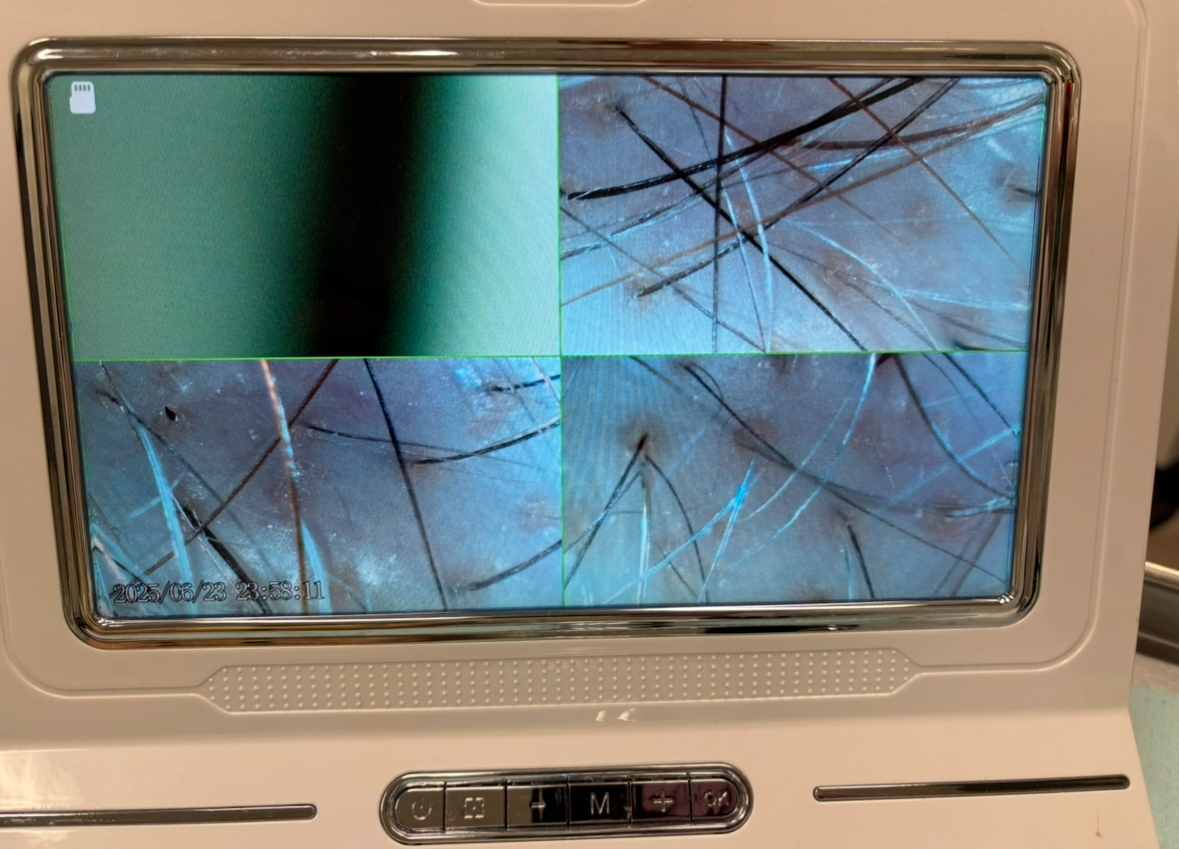
A live dermoscopy scan shows a close-up view of the scalp and hair follicles, giving stylists a clearer picture of what is happening beneath the surface.
The bigger, more impactful shift is the relationship you build with your client. This level of care and personalization builds loyalty. Your client sees you as the person they trust for more than just a haircut.
5. Start Small, and Use Your Judgment
You don't need to overhaul your business to test this. Start by changing how you ask questions during consultations. Once you evaluate the demand, add one express scalp treatment before your blowouts and test your market.The demand isn't slowing down. As Laura puts it: "The clients sitting in our chairs have evolved. They are no longer looking for a one-size-fits-all shampoo or conditioner. They want customized treatments, curated protocols and a professional who understands their individual concerns. We must evolve alongside them. The opportunity is real. Make sure you invest wisely in proper education to best provide value to your clients."
FAQ: Scalp Health Services for Stylists
What is scalp health, and why is it becoming a bigger deal in salons?
Scalp health covers everything behind hair thinning, shedding, dryness, oiliness and irritation, often tied to hormones, stress, medication or product buildup. It's growing because clients are more informed than ever and are actively asking stylists these questions during regular appointments, not just at dermatology offices.
Do I need a new license to offer scalp treatments?
No. Licensed cosmetologists and estheticians already have most of the foundational skills: consultation, sanitation, anatomy and product knowledge. What's usually missing is specialized training in scalp assessment and treatment protocols, not a new license or career path.
How much can adding scalp treatments actually add to my income?
It depends on your pricing and schedule, but based on our example above, a $150 express scalp treatment added once a day, four days a week, works out close to $29,000 a year, without requiring a new setup beyond a shampoo bowl, chair, scalp care line and a dermoscope.
What equipment do I need to get started offering scalp services?
At minimum, a professional scalp care line and a dermoscope. Everything else, like your shampoo bowl, chair, towels, and brushes, is likely already in your space.
Is scalp health training worth the investment?
That depends on the program and your goals. Before committing money or time to any certification, check the instructor's credentials, talk to other stylists who've completed it, and confirm it fits how you want to run your business. Scalp health is a legitimate and growing specialty, but no single program or educator is the only way in.
Can I test scalp services without committing to a whole new service line?
Yes. Start small: add one express scalp treatment before a blowout, or simply change the questions you ask during consultations you're already doing. You don't need to overhaul your business to see if this is a fit.
Learn more about Laura C. Volpe and ManeInk at maneinkny.com and maneinkacademy.com. Hair Loss Masterclass dates and the Academy on Tour schedule are available at maneinkacademy.com.
Stay connected at Pro2Pro for more conversations built for the professional behind the chair. Make sure you have the right tools and products behind you at www.marlobeauty.com.
| SHOP: | www.marlobeauty.com |
| SHARE: |
|
